
Entering the field of poker analyzer operations requires developing a combination of technical knowledge, procedural discipline, and situational judgment that distinguishes effective operators from casual users. For beginners, the learning curve can appear steep, but systematic training that addresses hardware fundamentals, operational procedures, troubleshooting methods, and ethical considerations provides the foundation needed for competent professional operation.
This training guide is designed for individuals who have acquired poker analyzer equipment and need to develop the skills and knowledge necessary for reliable, effective, and responsible operation. The content progresses from foundational concepts through practical operational skills to ongoing development practices.
Understanding Poker Analyzer Fundamentals
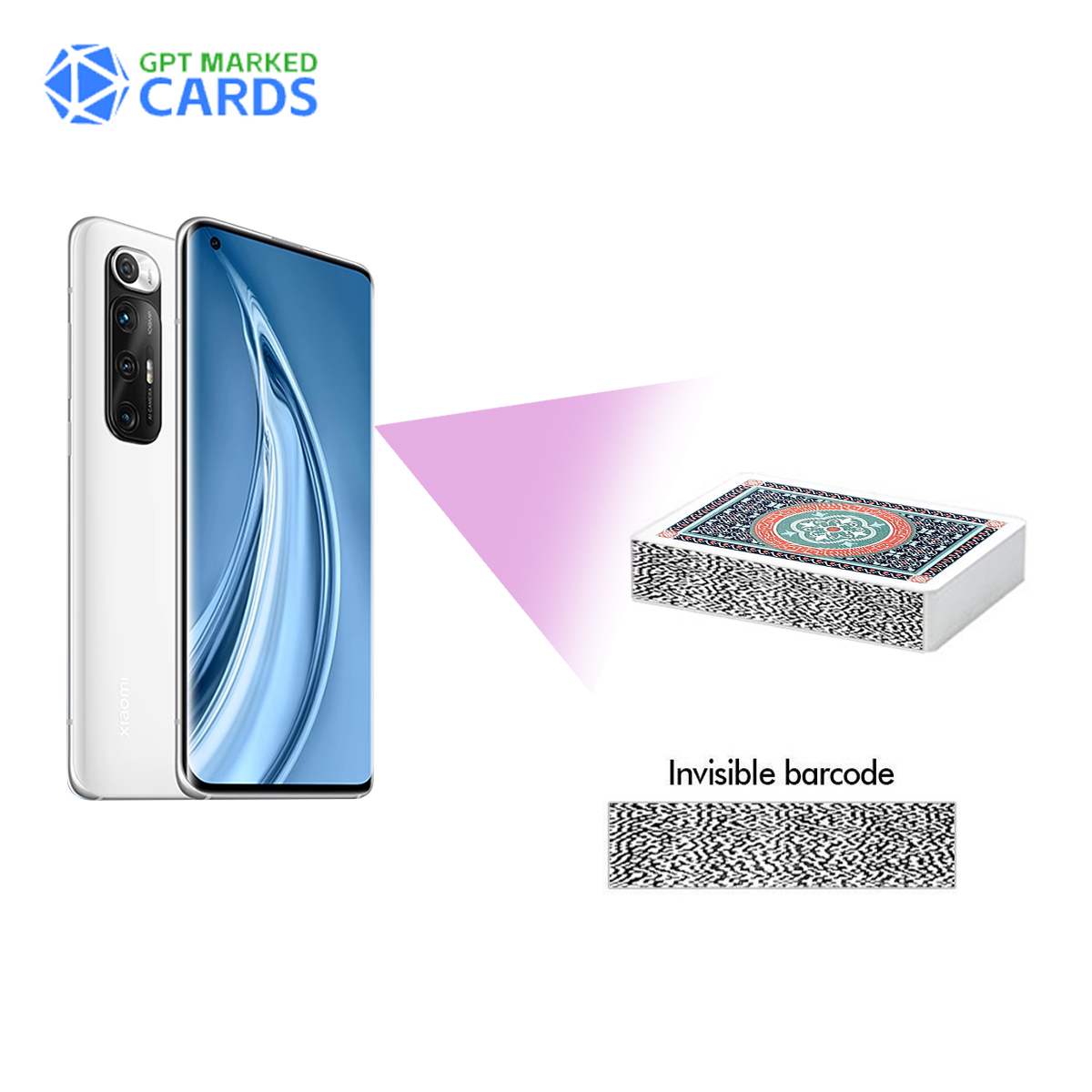
Before operating any poker analyzer system, operators must understand the fundamental principles of how the system works. The typical poker analyzer system consists of three primary functional stages: card scanning and identification, data processing and analysis, and result presentation to the operator.
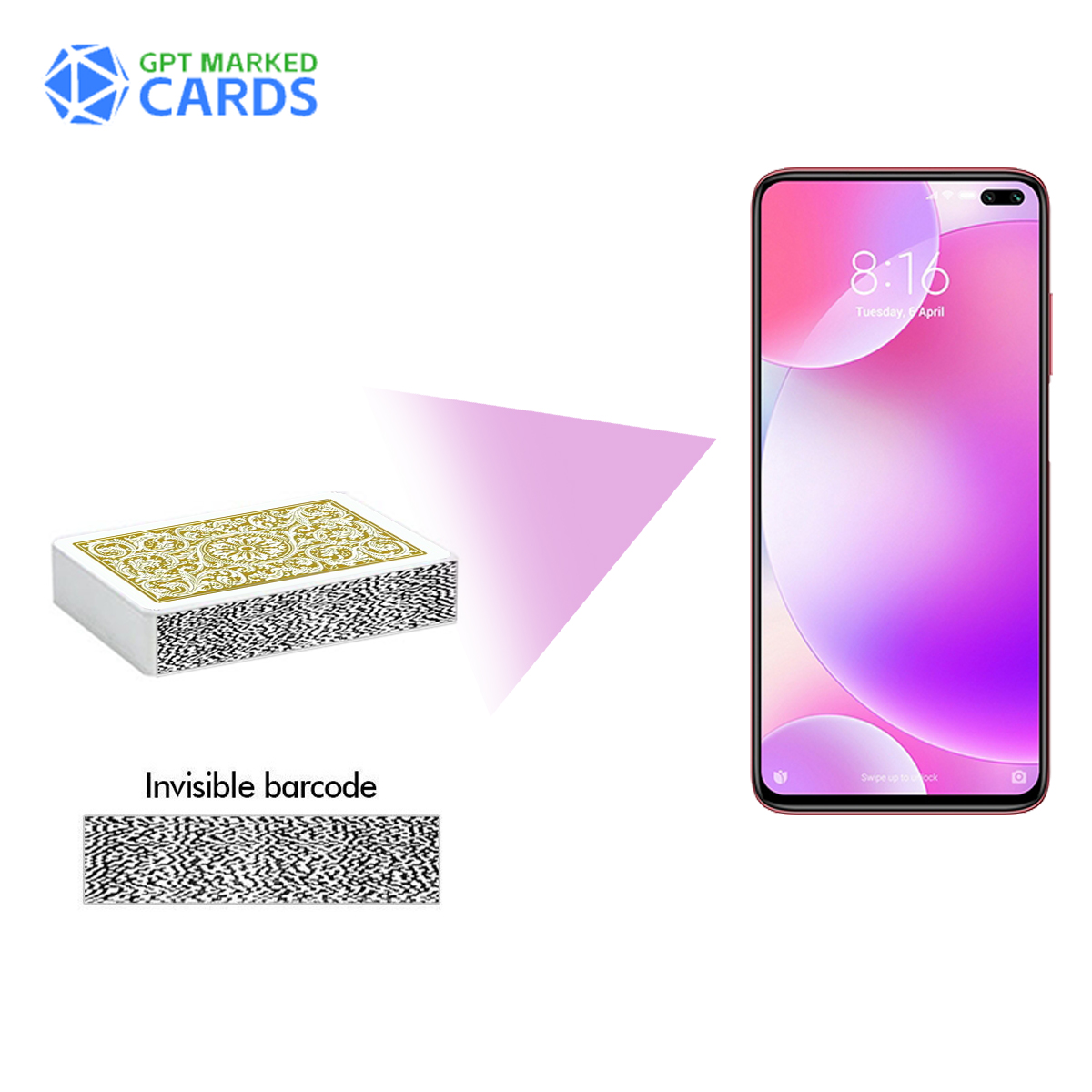
The card scanning stage uses an optical sensor, typically operating in the near-infrared spectrum, to read barcode markings on playing cards. These markings encode card identity information in patterns that are invisible or nearly invisible under normal lighting conditions but become readable when illuminated by the scanner’s infrared light source. The scanner captures an image of the marked card, processes the image to extract the encoded data, and passes the card identity information to the processing stage.
The data processing stage receives card identity information from the scanner and applies analytical algorithms to generate useful outputs. These outputs may include hand strength evaluation, opponent behavior correlation, statistical probability calculations, and strategic recommendations. The sophistication of the processing algorithms varies by system capability and configuration poker card analyzer.
The result presentation stage delivers the processed information to the operator through one or more output channels, which may include visual displays, hidden earpieces with audio output, or data logging systems that record observations for later analysis. Understanding the latency characteristics of each presentation method helps operators contextualize the timing of incoming information during live play.
Hardware Familiarization and Setup
Operators should develop thorough familiarity with all hardware components of their poker analyzer system. Locate and identify every physical component: the main processing unit, scanning module or modules, display device or devices, communication peripherals including earpieces, battery packs, charging equipment, and any cables or connectors used in the system configuration.
Practice the complete setup and teardown sequence for the system until it becomes automatic. Setup proficiency reduces operational preparation time and eliminates the stress of fumbling with unfamiliar procedures during live operations. Include in your practice the physical placement and positioning of all components, the sequence for powering on and initializing each component, the pairing or connection procedures for wireless peripherals, and the configuration of operational parameters through the device interface.
Battery management procedures are particularly important for beginners. Understand the battery charge level indicators on your device, establish a consistent charging routine, learn to recognize the signs of reduced battery capacity, and know the device’s behavior when battery charge reaches low thresholds. Developing good battery habits from the beginning extends equipment life and prevents operational failures caused by depleted batteries.
Operational Procedures and Best Practices
Effective poker analyzer operation requires disciplined adherence to proven operational procedures. Before each operational session, perform a complete pre-operation checklist that verifies battery charge levels, confirms scanner cleanliness and calibration status, verifies all wireless connections are established and functioning, and confirms that all system components are functioning correctly through a functional test with known cards.
During active operation, maintain awareness of your device’s status indicators. Monitor battery levels throughout the session, note any degradation in scanning performance or communication reliability, and respond promptly to any warning indicators before they develop into operational failures. Regular status checks are particularly important during extended sessions when device performance may drift gradually.
Concealment discipline is essential in operational contexts where the poker analyzer system must remain undetected. Practice natural, inconspicuous device handling. Develop familiarity with concealment accessories and techniques appropriate to your typical operating environment. Rehearse the insertion and removal of earpieces until the motions are smooth and undetectable. Practice reading display information at a glance without obvious head movement or eye direction changes.
Troubleshooting Skills Development
Beginner operators should develop foundational troubleshooting skills that enable rapid diagnosis and resolution of common issues without requiring external support. The core troubleshooting framework involves identifying symptoms accurately, generating hypotheses about potential causes, testing hypotheses systematically, and implementing corrective actions based on test results.
Practice diagnosing and resolving the most common issues before they occur during live operations. Common issues include scanner reading failures caused by contaminated optics, communication dropouts with wireless peripherals caused by interference or low battery, display problems caused by loose connections or incorrect settings, and power problems caused by depleted batteries or faulty charging equipment.
Maintain a troubleshooting reference that documents the issues you encounter, their symptoms, your diagnostic steps, and the resolution actions that proved effective. This reference becomes a personalized knowledge base that accelerates future troubleshooting and helps you develop pattern recognition for recurring issues.
Continuous Improvement and Skill Development
Professional competence in poker analyzer operation is a continuous development journey rather than a fixed destination. As you gain operational experience, regularly review your performance to identify areas for improvement. Were there moments when the system did not perform as expected? Could you have made better use of the analytical information available? Were your concealment techniques effective?
Seek opportunities to expand your technical knowledge through manufacturer training resources, industry documentation, and practical experience in varied operational contexts. Understanding the full capabilities of your system, including advanced features and configuration options you may not use regularly, enables more effective operation when unusual circumstances arise.
Build relationships with technical support resources from your equipment manufacturers and maintain access to current documentation, firmware updates, and troubleshooting resources. The equipment landscape evolves continuously, and staying current with developments in marked card technology, scanner capabilities, and analytical software helps maintain operational effectiveness over time.
FAQ
How long does it take to become proficient with a poker analyzer system?
Proficiency development varies by individual background and system complexity, but most beginners achieve basic operational competence within one to two weeks of dedicated practice. Full proficiency with complex systems and challenging operational scenarios typically develops over several months of regular operational experience.
What is the most important skill for a beginner poker analyzer operator to develop?
Systematic troubleshooting ability is among the most valuable skills, as operational reliability depends on the ability to rapidly diagnose and resolve issues. Equally important is developing natural, inconspicuous operational habits that maintain concealment without attracting attention.
How can I practice poker analyzer operation without live gameplay?
Practice scanning sessions using marked cards in a private environment help develop scanning proficiency and familiarize you with system response characteristics. Concealment practice, including earpiece insertion and display monitoring, can be rehearsed without any other equipment. Reviewing analytical outputs and studying the system’s interpretive framework builds familiarity that transfers to live operational contexts Custom Playing Cards.
What should I do if I encounter a problem during active operation that I cannot resolve?
Know your equipment’s limitations and have contingency plans for common failure modes. If a peripheral fails, know whether you can continue operation with reduced capability or whether you should gracefully conclude the session. Develop relationships with technical support contacts who can provide expedited assistance during operational emergencies.
How often should I update my poker analyzer software?
Apply updates within a few weeks of their release to maintain access to the latest features and security improvements. Always test updates on non-production devices first to verify compatibility and familiarize yourself with any changes before applying updates to operational equipment.