
Tournament poker presents unique operational challenges that distinguish it from cash game environments and test the limits of poker analyzer systems designed for more controlled settings. The combination of multiple tables, varying structures, large player fields, regulatory scrutiny, extended event durations, and the high-stakes pressure of competitive play creates a demanding deployment context that requires careful preparation, robust hardware, and disciplined operational protocols.
Professionals deploying poker analyzer technology in tournament environments must balance the enhanced analytical needs of tournament play against the heightened visibility and scrutiny that tournament settings attract. This article addresses the specific considerations, preparation requirements, and operational strategies relevant to tournament poker analyzer deployment poker card analyzer.
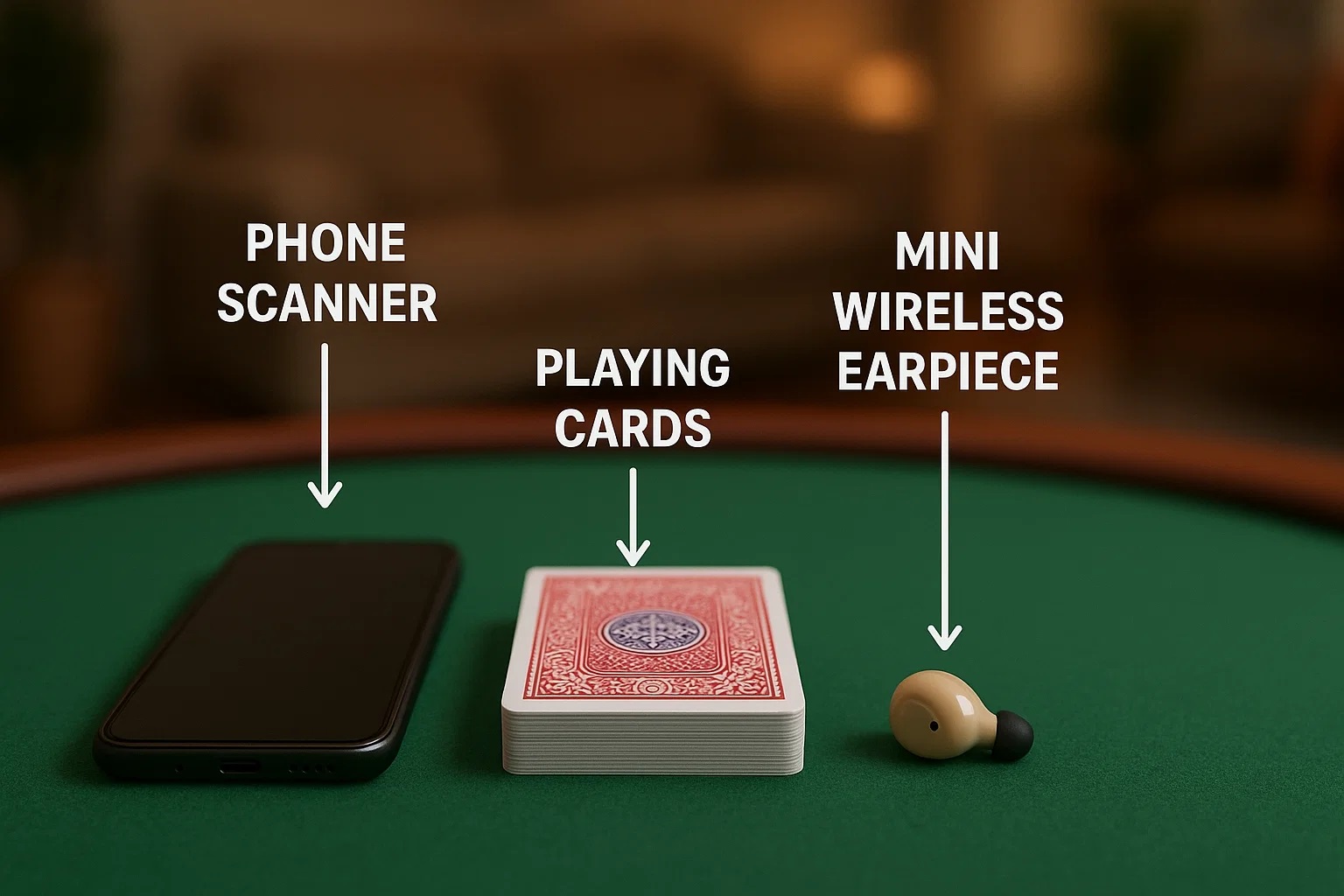
Tournament-Specific Operational Demands
Tournament poker operates on structured schedules with defined blind levels, break periods, and elimination rounds that create predictable patterns of play intensity. The beginning of each blind level typically produces increased action and higher analytical demand, while break periods offer opportunities for device maintenance, battery charging, and operator rest that must be planned around the tournament schedule.
The progressive structure of tournament play, where blinds increase over time and player stacks relative to blinds change, affects the analytical priorities throughout the event. Early in a tournament, when stacks are deep relative to blinds, analytical focus may center on hand strength evaluation and opponent tendency profiling. As the tournament progresses and stacks become shorter, the priority shifts toward more immediate tactical decisions where poker analyzer advantages may be most impactful.
Multi-day tournaments compound these challenges by requiring extended hardware management across multiple operating days, potentially in different venues or with varying environmental conditions. Battery and power management becomes more complex, as devices must be charged overnight in potentially unsecured environments while maintaining data integrity and device security.
Multi-Table Coordination Requirements
Large field tournaments with dozens or hundreds of tables create significant coverage challenges that may require multi-device deployment strategies. Coordinating analysis across multiple tables demands robust communication infrastructure, synchronized data management, and clear operational protocols that ensure coverage continuity as players move between tables through the tournament structure.
Table reassignment and table merger events during tournament play require particular attention in multi-device deployments. When players move between tables, the analytical continuity must follow the player rather than the table position, which requires the operational team to track player movements and adjust device allocation accordingly.
The number of active tables in a tournament fluctuates throughout the event, creating variable demand on hardware and operator resources. Effective tournament deployment planning anticipates these fluctuations and establishes flexible staffing and device allocation protocols that can scale up or down as the tournament field narrows.
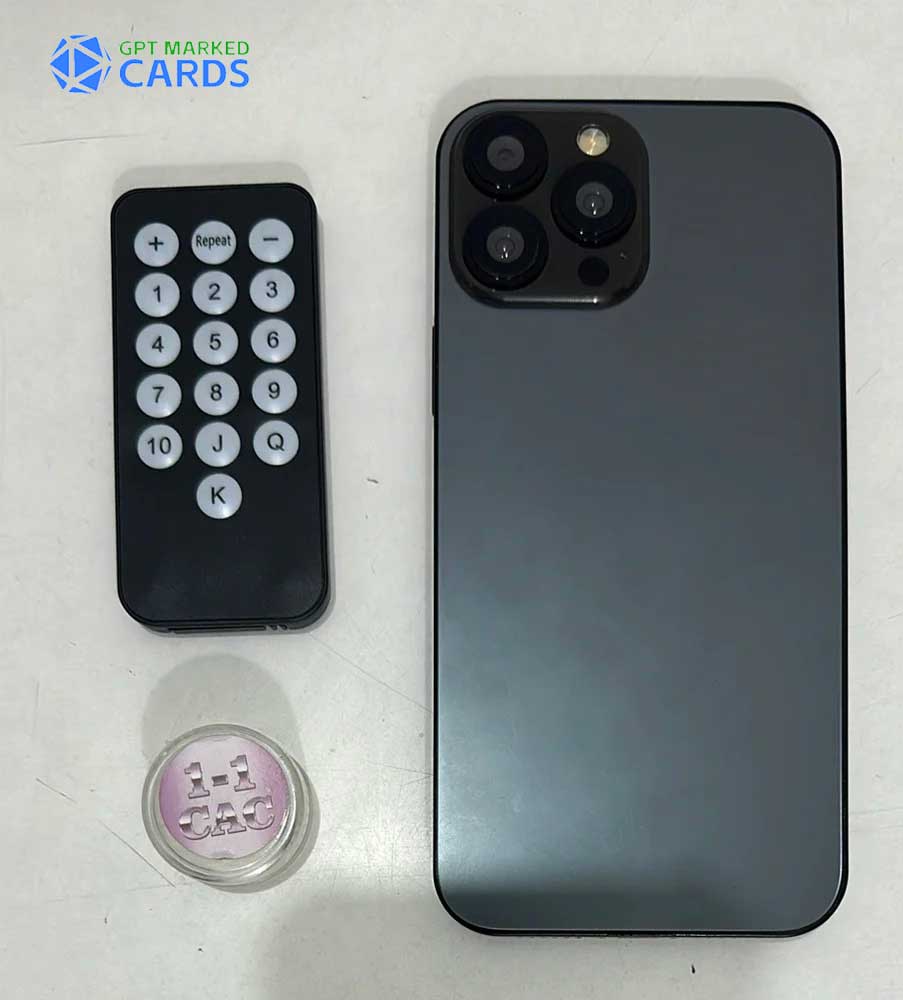
Hardware Selection for Tournament Conditions
Tournament deployment hardware must meet elevated standards for reliability, battery endurance, and environmental robustness. Devices selected for tournament use should have demonstrated field reliability under extended operating conditions, with mean time between failures significantly exceeding the duration of the tournament event.
Battery capacity requirements for tournament play are substantially higher than for typical cash game sessions. A single-day tournament may run ten to twelve hours, while multi-day events extend across many days of operation. Selecting devices with maximum battery capacity, planning charging rotations that maintain coverage throughout active hours, and having fully charged spare batteries available for immediate swap-out are all essential practices.
Environmental conditions at tournament venues vary widely. Air-conditioned conference centers provide stable conditions, but some events operate in casino floors with temperature variations, elevated humidity, and high ambient light that can challenge optical scanning systems. Devices should be tested under the specific environmental conditions of the target venue before deployment, and contingency plans should address equipment failures caused by environmental factors.
Operator Management for Extended Events
Tournament operations demand sustained operator attention over extended periods, making fatigue management a critical operational concern. Human factors including operator attention degradation, decision-making impairment, and communication clarity erosion during long shifts can undermine the effectiveness of even the most capable hardware.
Shift scheduling should enforce adequate rest periods between shifts, limit continuous operating hours to levels that maintain cognitive performance, and include brief rotation breaks during active tournament play for device checks and personal needs. The high-stakes tournament environment makes these fatigue management practices particularly important, as errors in analytical judgment can have immediate and significant consequences.
Cross-training all operators on all tables and all devices ensures operational flexibility and reduces vulnerability to individual unavailability. Standardized operational protocols documented in written checklists and briefing materials enable rapid operator integration when unexpected personnel changes occur during the tournament GPT Poker Analyzer.
Data Management and Post-Tournament Analysis
Tournament environments generate substantial analytical data that, when properly captured and managed, provides valuable intelligence for post-tournament analysis and future tournament preparation. Data logging capabilities should be configured to capture all relevant scanning events, operator inputs, and system status information throughout the tournament.
Post-tournament data analysis can reveal patterns in player behavior, table dynamics, and system performance that inform future operational improvements. Identifying periods of reduced analytical effectiveness and understanding their causes enables targeted protocol adjustments that improve performance in subsequent events.
Secure data storage practices are particularly important in tournament environments, where the analytical data captured may represent significant operational intelligence. Encryption of stored data, secure deletion of tournament-period data after analysis is complete, and access controls that limit data availability to authorized personnel protect operational security.
FAQ
What makes tournament poker different for poker analyzer deployment?
Tournament play creates multi-table coverage challenges, extended operating durations across potentially multiple days, variable play intensity tied to blind structures, player table reassignments that require analytical continuity management, and higher environmental variability compared to controlled cash game settings.
How do I manage battery life during a multi-day tournament?
Use devices with maximum battery capacity, implement a documented charging rotation that maintains coverage throughout active hours, keep fully charged spare batteries available for immediate swap, and plan overnight charging protocols for venues with varying security levels.
What operational protocols are essential for multi-table tournament coverage?
Essential protocols include standardized table coverage assignments, player movement tracking and device reallocation procedures, communication protocols between operators and a central coordinator, shift handover procedures with structured information transfer, and escalation paths for device failures or coverage gaps.
How should I prepare my poker analyzer equipment for a tournament venue?
Test all devices under the specific environmental conditions of the venue, verify software and firmware are current and standardized across all devices, perform full calibration and accuracy verification, inventory all peripherals and accessories, and conduct a full operational dry run before the tournament begins.
What data should I capture during tournament operations for post-event analysis?
Log all scanning events with timestamps, operator identifiers, and scan results. Capture system status information including battery levels, device temperatures, and any error conditions. Record player movement events, table assignments, and coverage transitions. Document any operational anomalies or incidents that affected system performance.